A Quiet Crisis: Speaking with Sean Crowley on mental health and isolation in farming
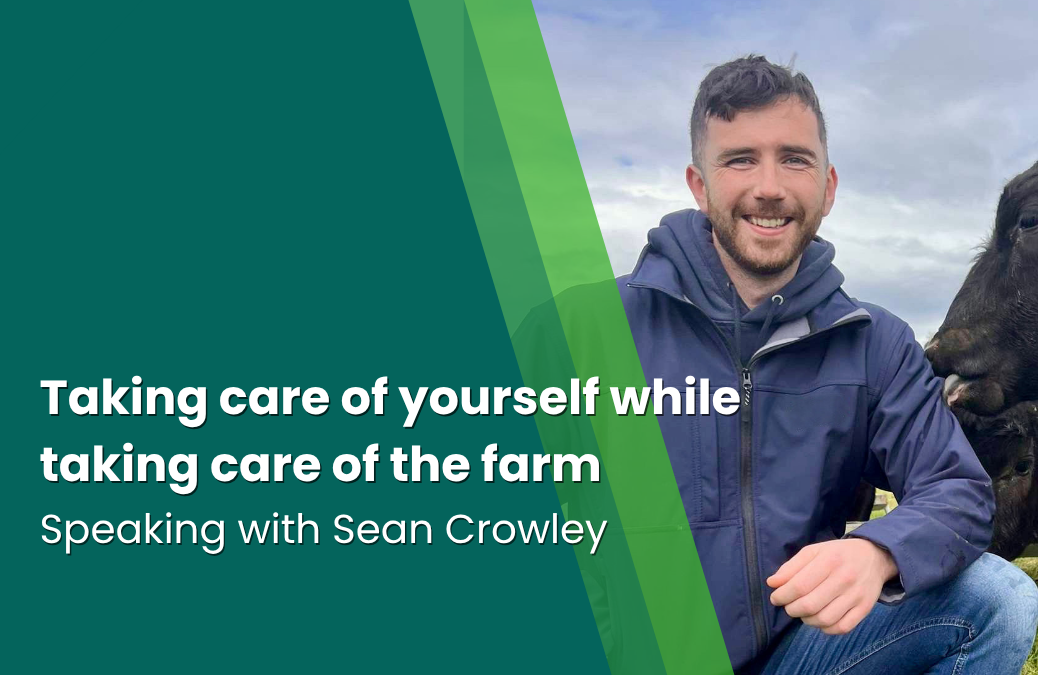
As Embrace FARM continues speaking with young farmers as part of the launch of our Young Successors support group, we were delighted to speak with Sean Crowley.
In case you missed it, we are interviewing young farmers and previously interviewed Sophie Bell. You can read her interview here.
Sean Crowley is a dairy farmer from Cork, a qualified counsellor and is currently pursuing his PhD with Teagasc under the Walsh Scholarship. We reached out to Sean about the farmer’s mental health initiative he created called ‘Talking over the gate’ and about mental health concerns amongst farmers.
Coming from a family where both his parents were from farms themselves, Sean was sure he would continue working with animals. He farms alongside his parents, who are both full-time farmers, and hopes to eventually take over the farm some time in the future.
An interest in counselling
At the end of his undergraduate degree in Dairy Business with UCD, Sean was drawn to counselling and psychotherapy and decided to pursue a counselling course during COVID. Having gone for counselling when he was younger and seeing how he benefitted from it, it was the right choice.
“It was more of an interest rather than thinking of this as a career at the time, but as I got towards the end of the course, I made the decision that I do want to work in this industry as well.”
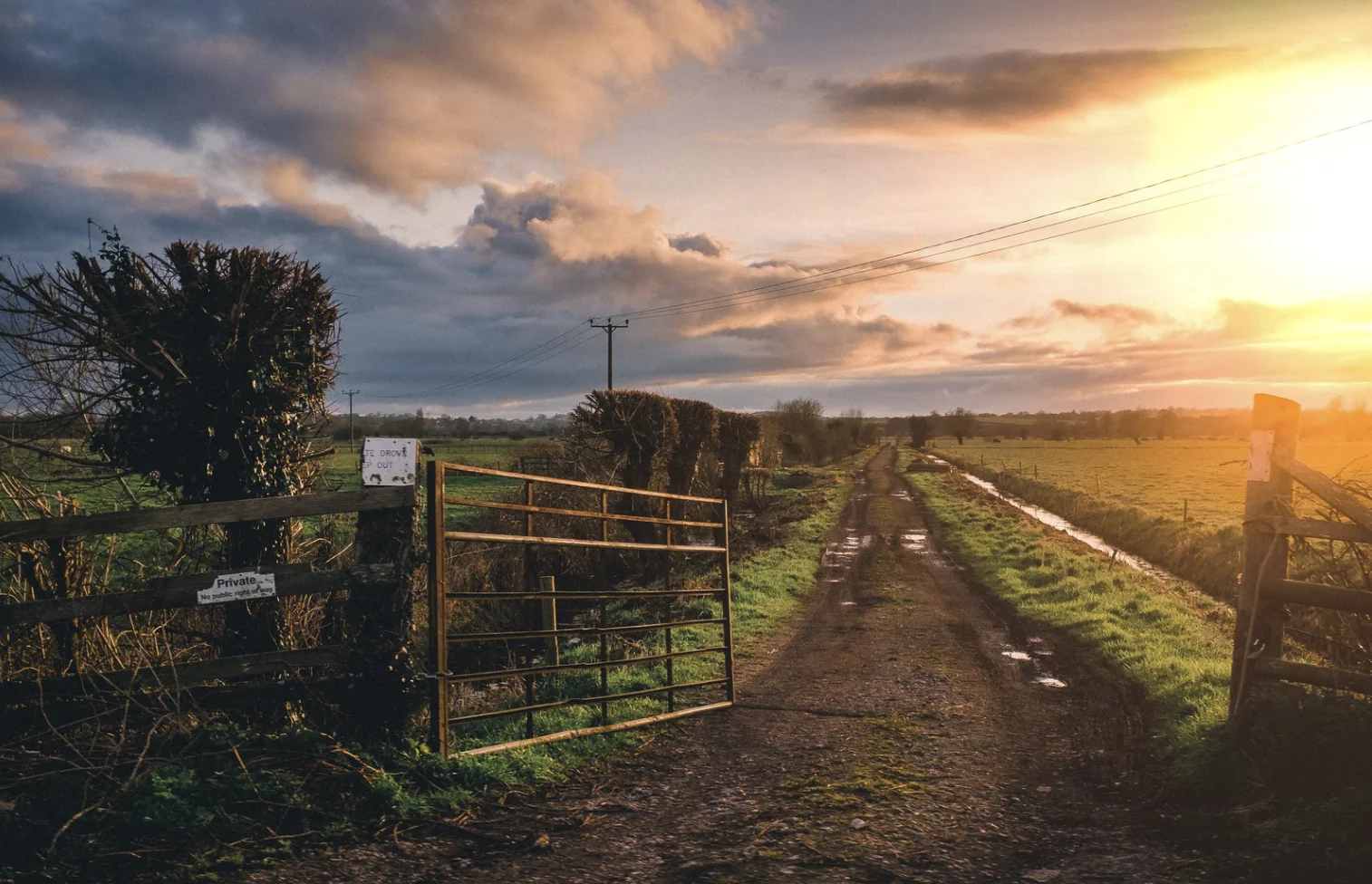
The crossover of his two careers, farming and counselling, was his mental health and wellbeing initiative ‘Talking over the gate’. This was a way of reducing social isolation amongst farmers and farming communities while encouraging them to speak openly with each other without the pressure and stigma of counselling. He likened it to leaning over the gate while chatting with your neighbour.
Rural isolation amongst farmers
Working as a farmer can be very isolating, especially as you get further into the more rural parts of Ireland.
“Growing up, I’ve seen farmers struggling. You can see the stress they go through year after year, and when they’re at their most stressed, there is simply no time for them to take for themselves.”
Farming is a constant and it’s not easy to take some time away from the farm, especially in the middle of busy season. This can leave farmers isolated and burnt out. Sean brought up how things have changed over the years within farming compared to generations ago.
“In my grandfather’s time, farming was a lot more of a community type of job. You would always be talking to the milkman, and he’d deliver milk to the townspeople. You would talk to everyone coming into the yard. Now, the milk lorry can come in, take the milk and you never have to talk to them really.”
He felt technology has its benefits through automation and other aspects that makes the farmer’s life easier, but it also takes away connection. This was a large reason he started ‘Talking over the gate’.
Stress grows in isolation
Conscious of how easy it is to go without meeting anyone, Sean recognised the stress that can bring. It is a job that those outside of agriculture mightn’t understand how taxing it can be.
“‘Talking over the gate’ was specifically built towards farmers in isolation. In general, people might not understand why a farmer might have to cancel last minute or that they have to get up three times a night to check if a cow is calving.”
Sean pointed out that an emphasis on meeting up with friends or getting a good night’s sleep are important for your mental health. “These are things that we would normally say to a person to improve your mental health, but it’s not always transferable to a farmer twelve months out of the year.”
A good reminder from Sean is that “These things creep up slowly. It’s not going to be that you wake up one morning and feel terrible. If everything feels overwhelming, or if small things feel overwhelming but big things feel fine, that is enough to highlight something is going wrong.”
Finding connection in communities
Community groups are vital in connecting people. Groups such as Macra, ICA, IFA and beyond ensure that you get out and you meet people regularly.
“Groups like these are integrated into times of the year where it’s accessible for farmers to make it”.
These connections through communities have expanded with young farmers turning to local gyms, Pilates classes, Hyrox groups, golf clubs, and of course, GAA. These are all outlets to get out of the yard and see people that you might not have had the chance to without.
You’re not on your own
Rural isolation and the loneliness that comes from that is a large part of it, but there is often a misconception that you’re the only one that is overwhelmed or finding it hard to keep going.
“We often feel our farm is the only one that’s struggling with a certain issue or that we’re doing poorly compared to everyone else, but in reality, if one farmer is having a bad year, most farmers are actually having a bad year.”
Sean highlighted the importance of these community groups and how they can help you feel less alone. “It doesn’t have to be a deep chat or anything like that. Even just talking about the weather can be a massive escape to help remember that the farm isn’t everything. There is more to the world than your land boundary, and joining these groups forces yourself to be more social.”
By meeting people off the farm, it can often by easier to speak about your struggles. “If you have a friend that you can mention it to, that is unrelated to the farm, they can often bring fresh perspective on things. When we’re feeling guilt or shame, there is often no evidence to back it up. Saying it out loud to someone can be our best way of dealing with it.”
Sean pointed out that we are often our hardest critic, “If we were in a crash, we’d oftentimes feel guilty. While if a friend went through the same thing, you would just be concerned. You would tell them it was just a mistake that happened.”
“We are definitely our own biggest critics. You wouldn’t dream talking to anyone else how you normally talk to yourself.”
Thank you to Sean for taking the time to speak to us around mental health and wellbeing while farming. If you find yourself struggling to take care of yourself while taking care of the farm after a loss, we encourage you to reach out to someone to help. This can be your GP, a family member, a friend or a charity such as Embrace FARM or The Samartians. The first step towards seeking help is often the hardest.
If you might benefit from ‘Talking over the gate’, you can get in touch with Sean by emailing info@talkingoverthegate.com, or visiting solidgroundtherapy.ie.
Interested in joining our support group?
If you have taken over the farm after the sudden loss of the farmer, you might be interested in or benefit from joining our Young Successors support group. Get in touch with us to find out more information.