
Resource Hub

Resources for grief, bereavement & loss
A resource hub with information for farm families in the aftermath of a serious injury or sudden death.
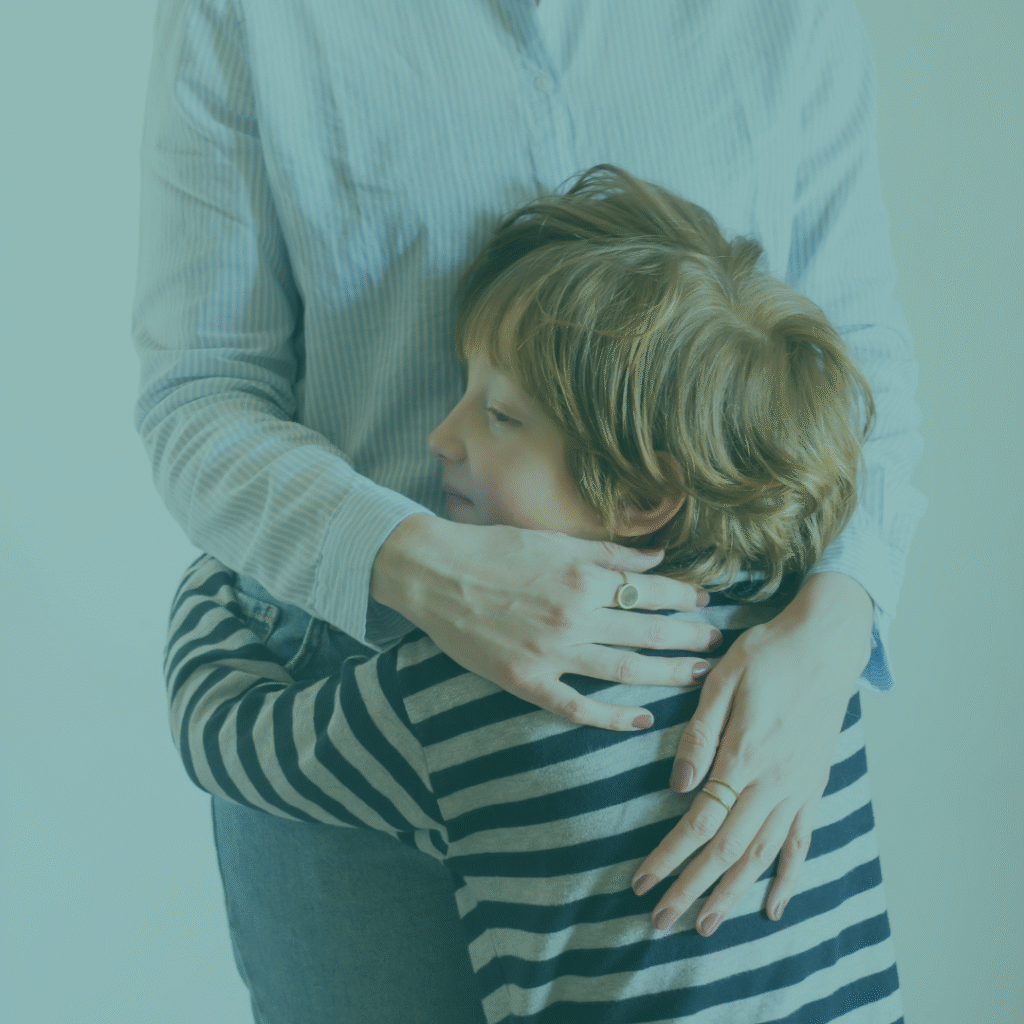
Resources for Bereaved Children
A collection of downloadable worksheets, blog posts, and other information for a child who is grieving and the adults who are caring for them.

Supporting a Bereaved Child
Various information for adults who might be caring for or supporting children after the death of a significant person in the child’s life.
Questions and Answers
Q: Am I normal/Is it normal to feel this way?
A: Everyone deals with the death of a loved one in their own way and at their own pace. There is no determined amount of time for how long the feelings you have might last. For a list of some parts of grief that are normal, you can read the full blog post on ‘Is it normal to feel this way?’. Read Blog Post
Q: How would I know if I need more professional help?
Some behaviours that might mean you might need some professional support may include:
- A lack of interest in daily activities for a prolonged period.
- A prolonged loss/change in appetite and/or sleep.]
- Persistently blaming oneself or feeling guilt or shame.
- Risky behaviours such as alcohol/drug abuse, reckless/dangerous driving etc.
- Self-harming.
- Withdrawing from friends, hobbies and school activities.
- Suicidal thoughts or intention to hurt yourself.
If you are suicidal, please call a crisis helpline [LINK TO USEFUL LINKS POST] or if
you are in a suicidal emergency, please call 999 or 112, or go to your local A&E, as
soon as possible.
Q: Why do I feel angry?
A: When someone dies, we can feel angry for many different reasons. Things that normally wouldn’t bother us may now get on our nerves. We may feel jealous of someone who appears happy. We may hate or resent those around us, even our family. We may blame ourselves for what has happened, that something we said, or even something we had thought, caused the person to die. This can be really hard but just remember that these feelings are perfectly normal, and thoughts are nothing more than that, just thoughts.
Sometimes we may feel angry because no one ever explained properly to us what happened. Death is a huge thing to try and understand and not having all the facts makes it even harder.
Q: How long more will I be feeling like this?
A: When we lose someone that we love, our emotional wounds take time to heal, but they do heal eventually. Things will return to what we feel is more normal, a different kind of normal even though certain things may never be the same again.
There is no right and wrong way to feel, and there is no timescale to say when we should stop feeling sad. Everyone goes through this in their own way and in their own time.
Q: Why do I feel lonely?
A: We can feel lonely all the time, or the feeling can come and go depending on where we are, what we are doing and who we are with. It could be the empty seat at the table at dinner time, not having the person there to share something with or coming in from school and the house feels empty because they are no longer there.
At times like these friends are very important, they won’t ever replace the person we have lost but they can help us fill the loneliness. Try going to friend’s houses and spend time with their family. Talking about the person who has died to someone we are comfortable with helps ease this loneliness.
Q: What if I say the wrong thing to someone grieving?
A: It can be daunting to say the wrong thing or hurt someone unintentionally after they have a death in their family. It can even stop you visiting or saying anything to them at all. We have a list of what to say & what not to say* to help you check in with a neighbour or friend.
Do you, a child or young adult in your family need support after a death?
Embrace FARM are here for everyone within your farm family.
If you or someone you know needs help after a sudden death, please get in touch with us by calling 057-8510555 / 085-7709966, or email info@embracefarm.com.